
Fine Jewelry Collateral Loans: The Institutional Borrowing Guide
How to unlock substantial non-bank liquidity from certified diamonds, signed designer jewelry, and bullion gold without relinquishing asset ownership or undergoing personal credit checks.

Executive Summary & Key Takeaways
- Fine jewelry collateral loans provide non-bank liquidity backed solely by the intrinsic and market clearing value of diamonds, precious metals, and heritage designer signatures.
- Signed heritage jewelry (Cartier, Van Cleef & Arpels, Tiffany & Co., Bulgari, Harry Winston) commands 70% to 80% LTV advance rates—significantly higher than unsigned estate pieces.
- Loans are completely non-recourse: underwriting relies solely on physical asset verification with zero impact on personal FICO scores or personal income verification.
- Collateral is vaulted in dedicated UL Class 3 high-security vaults with specialized climate control and dual-custody barcoded logging.
1. The Anatomy of an Institutional Jewelry Loan
A fine jewelry collateral loan is an asset-backed credit facility where physical precious items—including certified loose diamonds, signed designer jewelry collections, and investment-grade bullion jewelry—serve as the sole collateral backing capital deployment.
Unlike commercial bank lines or unsecured personal borrowing, collateral loans bypass personal credit underwriting, tax return disclosures, and debt-to-income (DTI) calculations. Underwriting focus is strictly confined to the authenticity, material composition, secondary market clearing velocity, and condition of the pledged assets.
Borrowers retain 100% legal equity in their jewelry. While the items reside securely in custodial holding, ownership does not transfer unless an unrectified maturity default occurs following extended cure notice periods.
Non-Recourse Protection
Every loan issued by Vaultmark Lending is structured on a strict non-recourse basis. In the event a borrower elects not to redeem collateral, the liquidation of the pledged jewelry constitutes complete satisfaction of the debt, with zero personal liability or credit reporting.
2. Eligible Asset Categories and Advance Benchmarks
Underwriting methodologies vary depending on whether the jewelry is signed by an iconic maison, comprises certified natural diamonds, or consists primarily of raw precious metal alloys:
| Category | Core Valuation Drivers | Max LTV | Indicative Loan Range | Maturity Options |
|---|---|---|---|---|
| Signed Heritage Jewelry (Van Cleef, Cartier) | Original certificates, serial stamping, box, iconic collection demand | 70% – 80% | $15,000 – $500,000+ | 3, 6, 12 Months (Renewable) |
| Certified Natural Diamonds (GIA 1.0ct+) | 4Cs (Cut, Color, Clarity, Carat), fluorescence, Rapaport clearing price | 65% – 75% | $10,000 – $750,000+ | 3, 6, 12 Months (Renewable) |
| Solid Gold Jewelry (18k / 22k / 24k) | Net gold gram weight, spot London bullion fixing, alloy purity assay | 75% – 80% | $5,000 – $250,000+ | 3, 6, 12 Months (Renewable) |
| Rare Colored Gemstones (Sapphire, Ruby, Emerald) | Geographic origin (Burma, Colombia, Ceylon), unheated status, SSEF/GRS reports | 60% – 70% | $25,000 – $1,000,000+ | 6, 12 Months (Renewable) |
3. Primary Value Determinants in Jewelry Underwriting
When calculating the borrowing capacity of a fine jewelry portfolio, gemological underwriters evaluate four key dimensions:
Provenance and Maison Heritage
Pieces from legendary jewelry houses such as Cartier (Love, Juste un Clou, Panthère), Van Cleef & Arpels (Alhambra, Frivole), Bulgari (Serpenti), and Tiffany & Co. (Schlumberger, Lock) trade with substantial brand premiums on secondary international exchanges.
Items accompanied by original red or green presentation boxes, signed sales receipts, and certificate papers achieve the highest collateral advance percentages due to verified authenticity and immediate liquidity.
Gemological Certification & Four Cs
For diamond-centric jewelry, certification from premier independent gemological laboratories—principally the Gemological Institute of America (GIA)—is paramount.
Underwriters evaluate diamond color (D through H preferred), clarity (FL through VS2), precision cut grade (Excellent), and the presence of fluorescence. Laser inscriptions matching registry databases expedite same-day valuation sign-offs.
Precious Metal Content and Intrinsic Floor
Solid 18k (750), 22k (916), and 24k (999) gold provides an immutable intrinsic market floor. We utilize non-destructive X-ray fluorescence (XRF) spectrometry to verify exact alloy composition without filing or acid damage.
4. Custody, Vault Security, and Insurance Protocols
The security of high-value jewelry requires specialized custodial custody exceeding standard institutional measures:
1. Inward Logistics: Assets transit via armored courier (Malca-Amit, Brink's, or Ferrari Express) under comprehensive all-risk transit insurance policies covering 100% of fair appraisal value.
2. Intake Inspection: Each piece is photographed under 40x macro gemological microscopes. Claw settings, stone stability, and metal surfaces are cataloged in an intake condition report signed by a GIA Graduate Gemologist.
3. Vaulting: Collateral is placed in individual sealed tamper-evident containers inside UL Class 3 security vaults equipped with 24/7 seismic sensors, biometric multi-custody access controls, and nitrogen-purged climate regulation.
5. Loan Redemption and Collateral Release
Borrowers retain the flexibility to repay principal and accrued interest at any point during the loan term with zero early payment penalties or exit fees.
Upon wire receipt of the final payoff balance, collateral is removed from vault custody within 24 business hours, re-verified against initial intake condition photography, and returned via insured armored courier requiring direct photo-ID signature.
Frequently Asked Questions
No. Fine jewelry collateral loans are strictly non-recourse and asset-backed. We do not conduct hard or soft credit checks, nor do we report loan originations, payments, or settlements to credit bureaus.
Related Guides & Articles
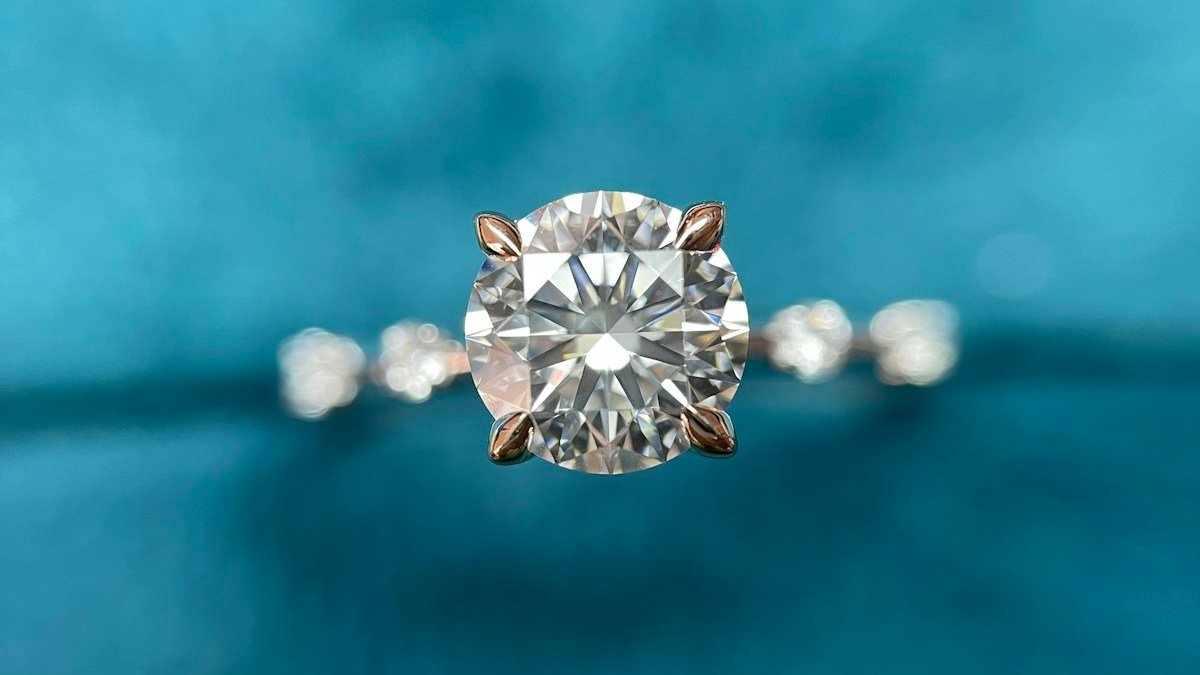
Diamond Valuation & 4Cs Underwriting: How Loan Appraisals Differ from Retail
Understand the mathematics of diamond collateral underwriting. Learn why retail insurance appraisals overestimate liquidation value, how wholesale Rapaport pricing establishes the baseline, and how cut quality dictates advance capacity.

Loan-to-Value (LTV) Explained: How Collateral Advance Rates Protect Borrowers
Demystifying Loan-to-Value (LTV) in private luxury lending. Learn how institutional lenders calculate loan advance caps, why conservative LTV buffers protect borrower ownership, and how non-recourse structures prevent margin calls.
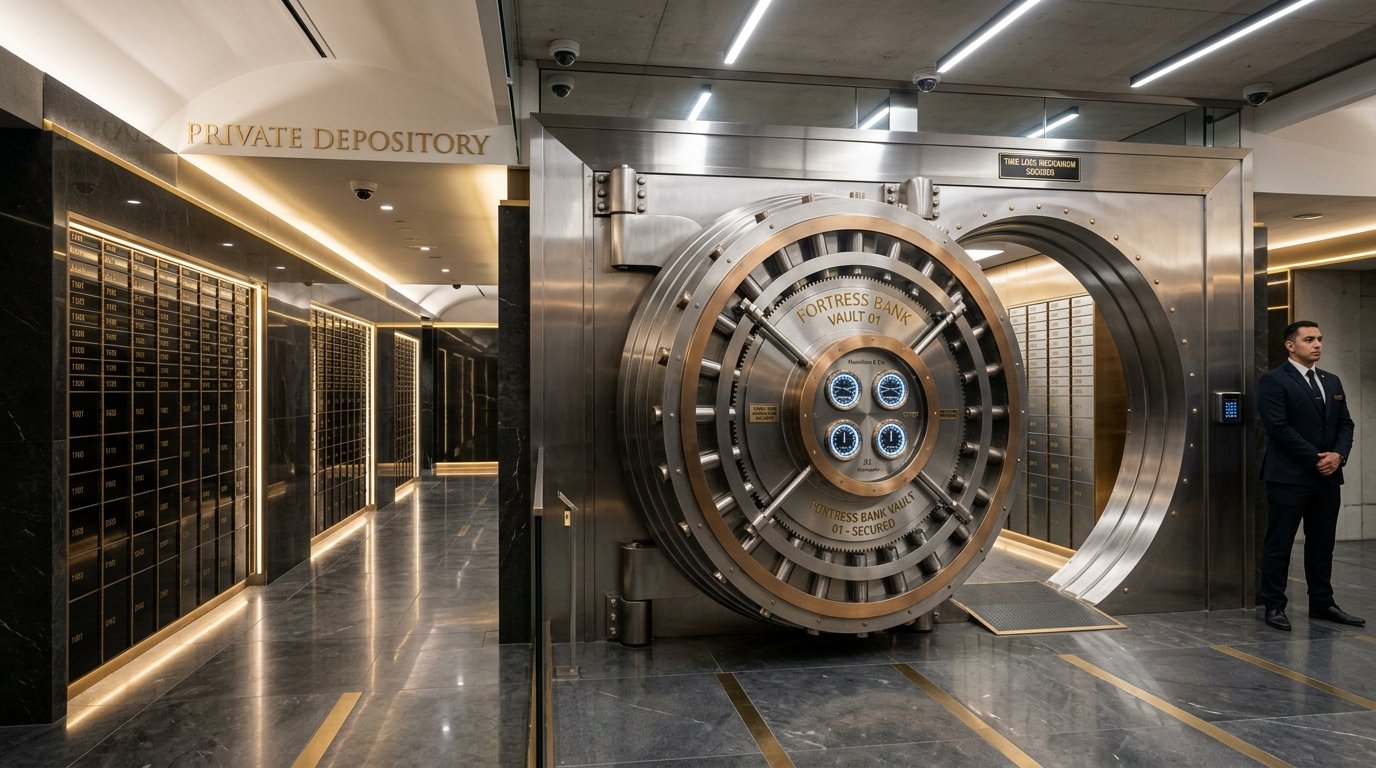
Collateral Repayment, Asset Redemptions & Chain-of-Custody Return Logistics
Understand the complete end-of-loan lifecycle: how payoff quotes are calculated, the rigorous vault release and condition verification process, and how your luxury collateral is safely returned via armored transport.